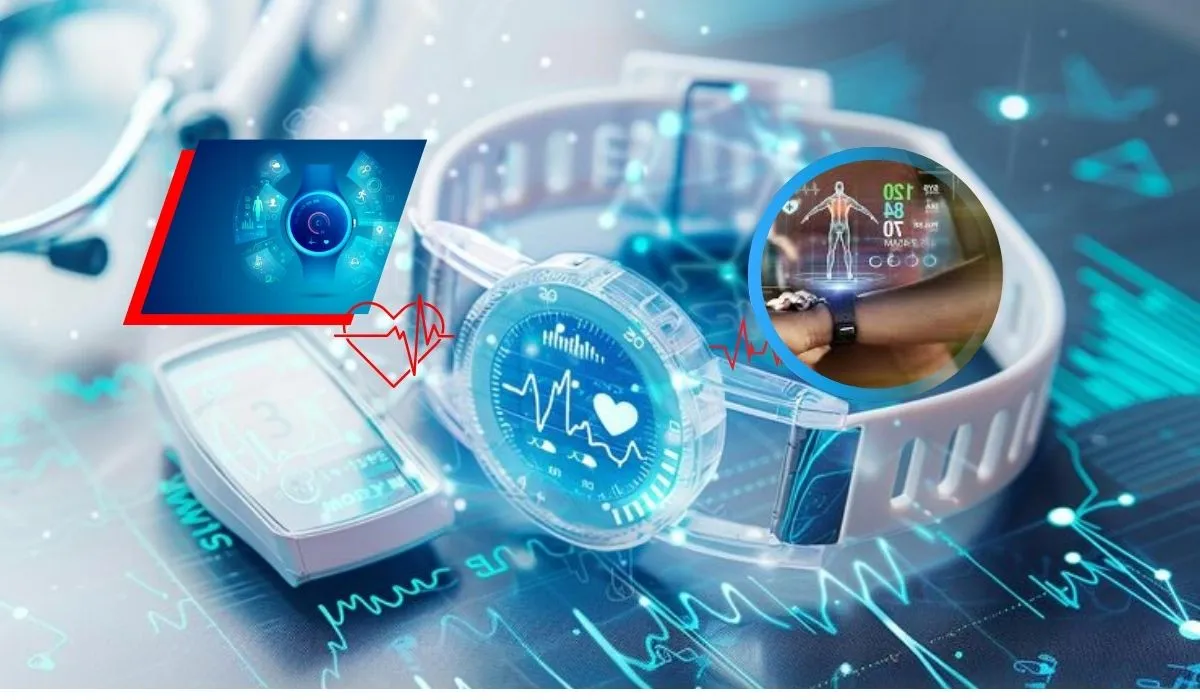
Smartwatches are revolutionizing our ways of caring. These are intelligent devices that one can wear on the body to monitor health information on a daily basis. Since counting steps to heart rhythm monitoring, they are valuable insights to enable people and doctors to manage health more effectively.
These Wearable Health Devices are in a booming market. More than 136 million wearables were shipped all over the world in just one quarter of the year 2025. This indicates their popularity as a personal health tracker.
You may also read :- Apple Watch Series 9 Review
What Are Wearable Health Devices?
Smart health devices are wearable gadgets. They gather data concerning your activities and body. This is referred to as remote patient monitoring. These applications monitor such activities as the heart rate, the number of steps you make, your sleep quality, and others.
These devices do not require a doctor to check-up, which is only a moment in time, as opposed to a doctor. This provides the whole picture of your health patterns.
Popular Types of Wearable Health Tech
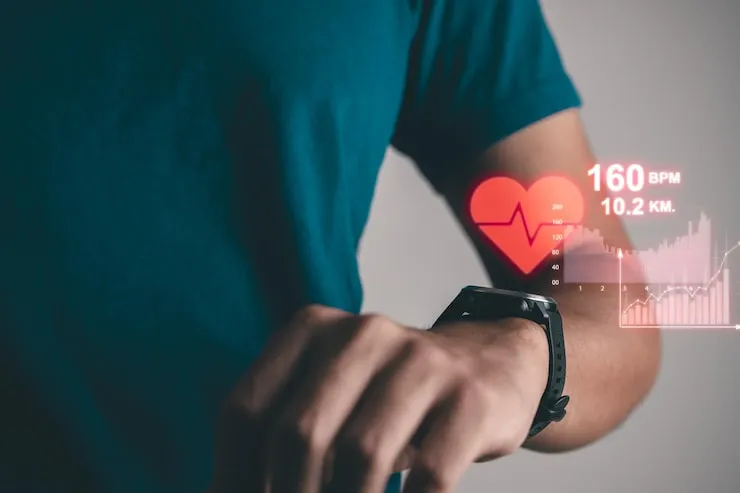
There are just numerous health wearables of all sorts. Both of them possess health-tracking features.
| Device Type | What It Does | Best For |
|---|---|---|
| Smartwatches (e.g., Apple Watch) | Tracks heart rate, ECG, sleep, activity. Can detect falls and irregular heart rhythms. | Everyday health monitoring and fitness goals. |
| Fitness Trackers (e.g., Fitbit Charge 6) | Monitors steps, heart rate, sleep stages, and exercise. | People focusing on daily activity and basic wellness. |
| Smart Rings (e.g., Oura Ring) | Measures sleep quality, body temperature, and readiness for activity. | Unobtrusive, all-day wear with a focus on recovery. |
| Medical Patches (e.g., VitalPatch) | Provides clinical-grade monitoring of ECG, breathing rate, and temperature. | Short-term medical monitoring after surgery or for a specific condition. |
| Continuous Glucose Monitors (CGMs) | Checks glucose (sugar) levels in real-time without fingersticks. | Managing diabetes with fewer manual checks. |
The Main Jobs of Wearable Health Devices
These smart devices serve four major functions to our health:
- Surveillance: This is their elementary task. Throughout the day, they monitor such health indicators as heart rate or steps.
- Screening: They are able to screen the data collected to examine the indicators of the prevalent conditions, such as sleep apnea.
- Detection: There are certain devices that are able to detect possible issues. To provide an example, some smartwatches have the capacity to recognize atrial fibrillation, or irregular heartbeat.
- Prediction: The advanced devices rely on the data to forecast health trends. As an example, they may alert an individual with his or her lung lesion about a possible flare-up.
Why People Love Using Wearable Health Devices
It was found out that the majority of the population positively feel about their experience with health wearables. They are convenient and gratifying to them.
- Feeling in Control: Wearables allow individuals to learn more about their personal health. According to one of the family doctors, these devices gave patients authority over their health.
- Early Catching Issues: Wearables are able to sometimes identify tiny changes before you experience any symptoms at all since they are monitored and tracked. This enables the detection of health issues at an early stage.
- Health Long-Term Management: In the case of such diseases as diabetes or high blood pressure, the wearable will help keep a closer check on significant figures on a daily basis. This aids individuals to adhere to the treatment plans.
- Saving Money on Healthcare: These devices can help save money as they can help in early detection and remote monitoring which makes it necessary to visit the doctor fewer times and prevent emergency situations.
Things to Think About With Wearable Health Devices
Even though wearables are useful, it is possible to know their limitations and certain difficulties.
- Accuracy and Quality of Data: Data accuracy and quality are not all the same. Brands and types of sensors may have different quality of data available. In the example, the heart rate measurements can be different when exercising with a medical-grade monitor.
- Security and Confidentiality of Your Data: The health information is confidential. It is very important to understand the way a firm is keeping your information safe and whether they are sharing your information.
- Not a Replacement of Doctors: A wear has been a wonderful device, but it is not a doctor. Wearables are effective in the early detection and day-to-day insights, however, they will not substitute professional diagnosis, professionals advise.
- Ensuring That all can gain: A digital health divide is feared. These machines are also costly and we have to strive to make their advantages accessible to all individuals not a few individuals.
The Exciting Future of Wearable Health Tech
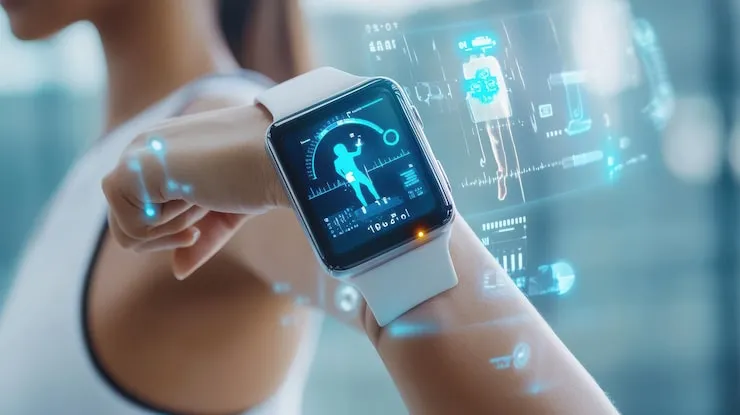
Wearables are a rapidly developing sphere, and the trends appear every day.
- Wearables now smarter with AI: Generative AI is making wearables smarter. They do not only display data, but can also assume the role of a health coach, giving advice on a personalized basis.
- New and Unobtrusive Designs: Customers desire comfortable devices that do not resemble a computer. The trend of subtle, all-day wearables is indicated by recent growth in smart rings and smart glasses.
- Smart Clothes: Gone with the wind Clothes that gauge their posture or socks that gauge the health of their feet. In the future, we will have smart clothes with inbuilt sensors.
- A Large and Developing Market: The wearable medical devices market is set to expand massively with a potential growth to close to 500 billion in 2035. This development will lead to further innovation.
Conclusion
Wearable Health Devices is a strong tool that places the health information in your hands. They assist in surveillance, motivation and well-being management. With the technological progress, they will be made useful, more personal, and linked to our healthcare system.
The trick is to select a device you trust and will use on a regular basis, know what the information is, and keep in mind that it is a supplement to the care and advice provided by healthcare experts and does not substitute it.
Frequently Asked Questions
What is the accuracy of the wearable health devices?
The majority of the contemporary wearables are quite precise when it comes to such metrics as heart rate and sleep tracking. They are however not medical devices. Consult a doctor and apply professionally validated tools when making health decisions.
What do I pick when purchasing a wearable?
Consider your primary purpose (such as fitness, sleep, or cardiac health), battery life, comfort and its association with your phone. Ask: Will I wear this every day? Does it present me with useful information?
Wearable health devices: Is my data safe?
The honest firms indicate that your information is yours. Request the company to provide their privacy policy before purchase so as to know how they will store/use your health information.
Will I be subscribing to my wearable?
Other devices are free in terms of basic tracking, though they require subscription to a deeper analysis and personal insights. Evaluate whether the additional price is worth the value to you.
Will it help me to be healthier with the help of a wearable device?
Yes, but it works best as a tool. Smartwatches provide experience and inspiration. They have been found to contribute to a positive experience of the patient and may enable individuals to remain interested in their health in the case of one review. Such knowledge combined with healthy behavior and professional medical guidance is what will really make a difference.