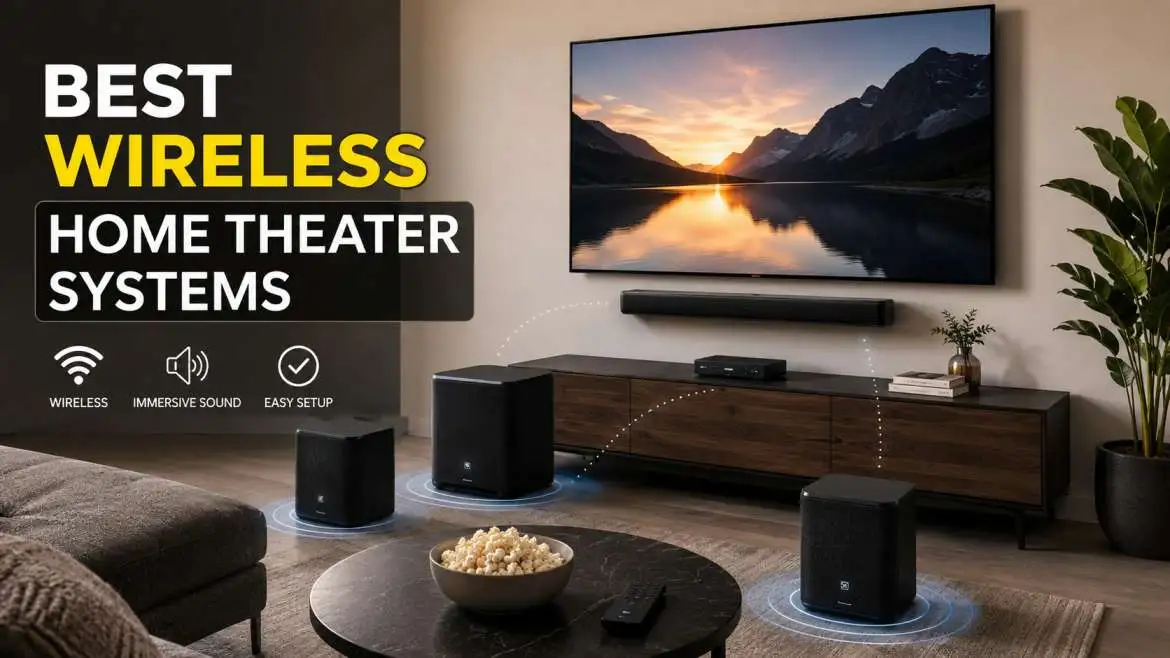
An immersive home theater system transforms an ordinary living space into a breathtaking cinema room. This setup brings high-quality sound and stunning pictures right into your house. The main collection includes a central audio receiver, separate surround speakers, a powerful subwoofer, for deep bass, and a large television or projector screen.
By placing these speakers at specific spots across your room, you create a deep sonic experience that moves all around your body. You hear crisp talking, powerful action explosions, and subtle background details just like a real commercial theater. Adding this gear instantly upgrades your daily entertainment for movies, video games, live sports, and television shows.
Why Every Living Room Needs a True Home Theater System?
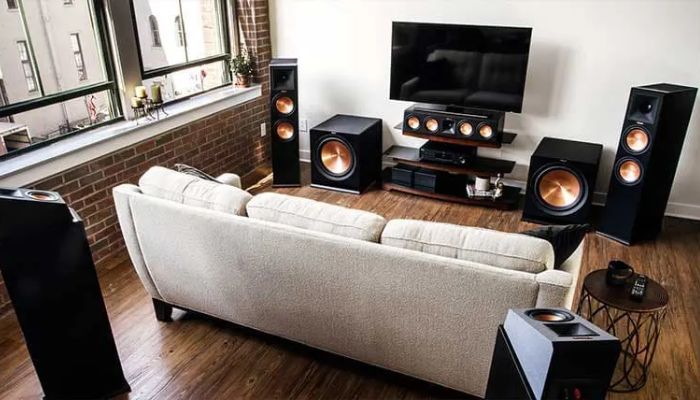
I remember assembling my very first audio setup at home. The difference shocked me right away. Standard flat television speakers face down or backward against the wall. This design makes human voices sound muddy and hides the deep musical notes completely.
A dedicated home theater system fixes this problem entirely. It splits the sound frequencies cleanly. You get a central speaker just for human dialogue, alongside side speakers for ambient environmental effects.
Owning good audio gear changes how you enjoy media at home. You stop simply watching a story. You begin to feel the action happen all around you.
You may also read :- Greatest Soundbars Available To Improve 2024 Tv Audio
Exploring Your Core Surround Sound Options
The numbers on audio boxes look confusing at first glance. However, they follow a very simple pattern that anyone can learn in a minute. The first number shows how many regular speakers sit in the room. The second number tells you how many subwoofers handle the bass.
The Classic 5.1 Home Theater System Layout
A standard 5.1 home theater system remains the best choice for typical family rooms. It utilizes five independent speakers and one single subwoofer box. This popular arrangement gives you great surround sound without filling your space with endless plastic boxes.
- The Center Channel: This unit sits right beneath your screen. It handles almost all the spoken words and dialogue.
- The Left and Right Front Speakers: These sit on each side of your television. They build a wide stage for music and big action sequences.
- The Left and Right Rear Speakers: These sit beside or slightly behind your couch. They play background sound effects like rain or passing cars.
- The Subwoofer: This heavy box rests on the floor. It creates the deep rumble that you actually feel inside your chest.
Expanding into 7.1 and Overhead Audio Channels
If you own a massive room, you might want extra sound coverage. A 7.1 system adds two more side speakers to the room. It fills the empty areas between your front and rear speakers perfectly.
You can also purchase Dolby Atmos gear. These systems feature special speakers that shoot sound up toward your ceiling. The audio bounces down to your ears, making a helicopter sound like it is flying right through your ceiling.
Comparing Wired and Wireless Audio Connections
Deciding how to link your gear is a major choice. Both styles offer fantastic power, but they fit completely different lifestyles and living spaces.
Choosing a Wireless Home Theater System for Neater Rooms
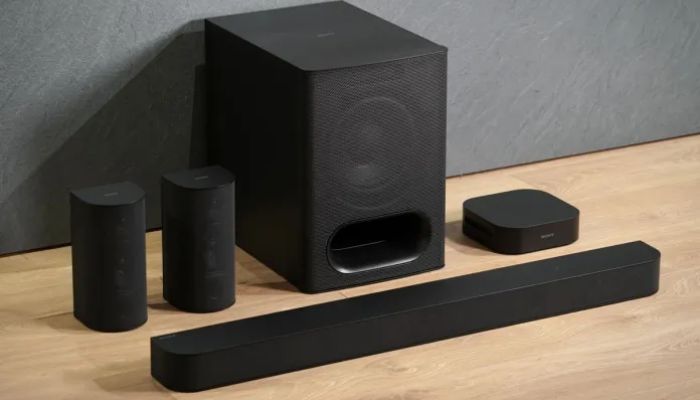
Many people dislike looking at messy speaker wires running along their floors. A modern wireless home theater system eliminates this visual problem completely. These units send audio signals through the air using clean radio bands or your home network.
You still must plug each speaker into a wall outlet for electricity. However, you do not need to run long cords across the entire width of your room. This keeps your walkways safe from tripping and keeps your house looking clean.
Spotting the Best Wireless Home Theater System for Quality
If you want top-tier convenience and great performance, search for the best wireless home theater system packages that support high-resolution playback. Quality wireless gear uses private networks to prevent any audio delay or annoying lip-sync lag.
Expert Opinion: "Modern wireless audio links match the speed of traditional copper wires. You do not sacrifice sound quality when you remove the physical cables." — Mark Higgins, Home Audio Installer
Good wireless gear calibrates itself automatically. The speakers send out quick noise pulses to map your walls and furniture. Then, the internal computer alters the volume to give you perfect sound based on your room shape.
How to Find the Best Budget Home Theater System?
You do not need to spend thousands of dollars to get great cinema sound. The market offers plenty of cheap options that sound surprisingly warm and loud. Finding the best budget home theater system just takes a bit of smart shopping.
| Audio Option Type | Budget Package Benefits | Premium Separate Benefits |
| All-in-One HTIB | Low cost, very simple setup steps | Hard to upgrade parts later |
| Separate Receiver Hub | Easy to swap individual items over time | Higher starting cost |
| Compact Satellite Speakers | Hides inside small rooms easily | Cannot fill huge rooms with sound |
Consider a surround soundbar kit if you want to save money. These packages bundle a front soundbar with two small wireless rear speakers. They give you real surround sound while keeping your total costs low.
Step-by-Step Guide to Placing New Speakers
Good speaker placement matters just as much as the amount of cash you spend on your gear. Cheap speakers sound great when you put them in the proper locations.
1. Position the Center Channel Box: Prerequisite: Center it under your screen.
Place the center speaker right underneath your television. Line it up with the middle of your couch so voices match the faces on the screen.
2. Set the Left and Right Front Speakers: Angle: 22 to 30 degrees apart.
Set these two units on the sides of your screen. Space them out so they form an even triangle with your favorite seat.
3. Mount the Rear Surround Speakers: Height: Just above your ears.
Place your surround speakers slightly behind your seating area. Angle them inward toward your ears to create a full bubble of music.
4. Drop the Subwoofer in Place: The Floor Test: Avoid tight corners.
Rest the subwoofer on the floor near the front television stand. Do not push it deep into a corner, or the bass will sound muddy.
Essential Audio Terms Explained Simply
Learning basic audio words helps you read product boxes without feeling confused. You make a better buying choice when you know the vocabulary.
Understanding Speaker Watts and Volume Power
Watts measure the amount of electrical energy an amplifier sends to your speakers. Higher wattage numbers usually mean your speakers play louder without breaking up the sound. However, you do not need giant numbers for a normal house. A solid 100 watts per channel provides plenty of volume for family movie nights.
The True Job of an Audio Video Receiver
The receiver operates as the central brain for all your media gear. Your video game consoles, streaming sticks, and disc players all plug right into the back of it. The receiver splits the incoming signals perfectly. It sends the video up to your television screen and distributes the multi-channel sound out to your speakers.
Tweaking Your Room to Remove Harsh Echoes
Your physical room surfaces change how sound hits your ears. Plain drywall and bare wood floors reflect sound waves around like a bouncy ball. This action creates bad echoes that make it tough to understand whispers in movies.
You can fix this issue easily without spending a lot of money. Throw a thick, soft rug onto the floor between your couch and the television screen. Hang cloth curtains over bare glass windows. These soft items catch the runaway sound waves and make your movie audio sound instantly cleaner.
Frequently Asked Questions
Can I mix together different brands of speakers?
Yes, you can connect different brands of speakers to one receiver. However, you should try to buy your front three speakers from the exact same brand line. This keeps sounds moving across the screen sounding smooth and matching.
What is the main difference between a soundbar and a full system?
A basic soundbar shoots sound from a single box located under your television screen. A complete home theater system uses separate boxes placed all around the walls to give you true, accurate surround sound.
Do wireless speakers need an active internet connection to play?
Most wireless speaker packages do not need a working internet connection to play sound from your TV. They build their own private wireless link between the central receiver hub and the individual speaker boxes.