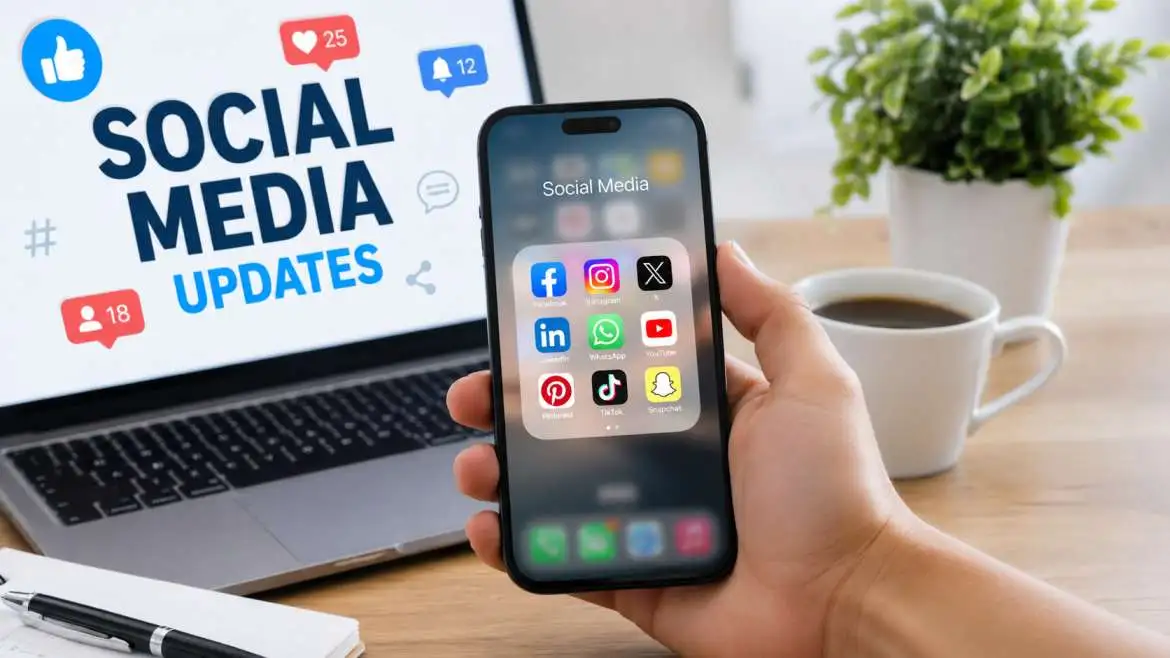
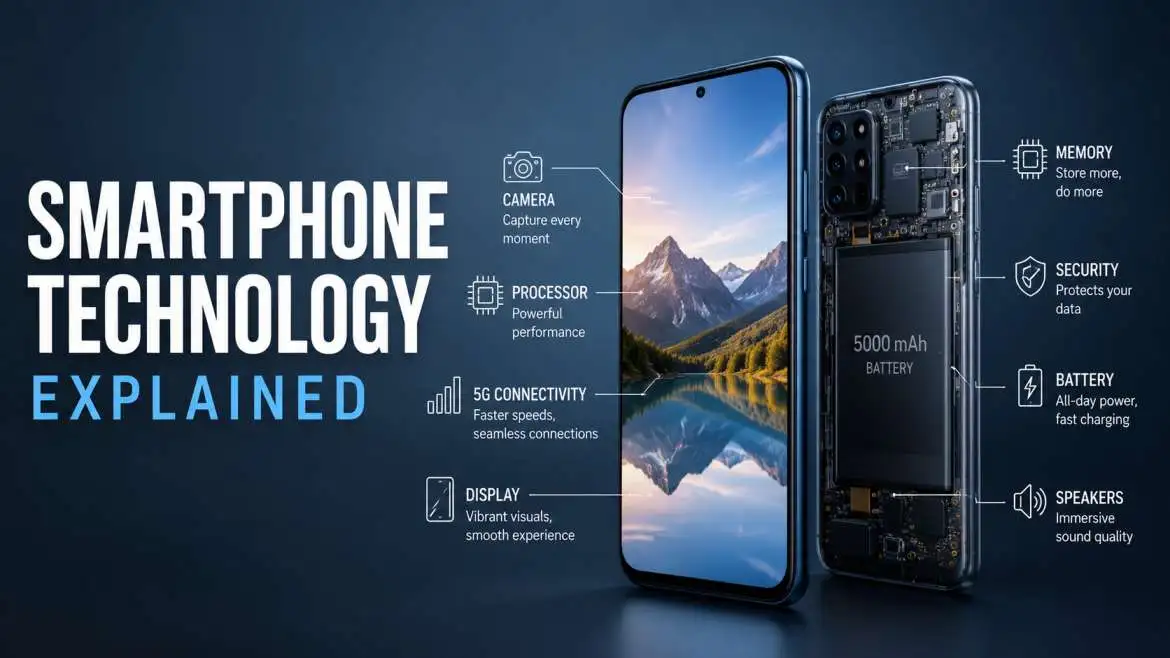
Think about what a phone actually is now. It is just a tiny computer you carry around all day. It has a little processor chip, a screen, and apps so you can text people, get work done, or just kill time when you are out.
It does everything. You do not need to carry a camera, a paper map, or a leather wallet anymore because it is all on that one screen. The newer models have fast 5G data, glass that does not crack the first time you drop it, and software that learns your habits to make things quicker. When you understand what those specs mean, it is a lot easier to buy a good one without wasting your money.
The Magic Inside Modern Smartphone Technology

Every single day, I test and study new cell phones. I look at how fast they open apps and how clear the screens look. After years of hands-on testing, I can tell you that the power of these devices changes fast.
We use these little glass boxes for almost everything now. They connect us to family across the world in just one second. They store our best family photos and protect our bank details.
Let us look at the core parts that make your phone run like a champ.
The Core Parts of Mobile Devices
A mobile phone needs special parts to stay small but work fast. These parts live under the glass and metal body.
Understanding the System on a Chip
The most important part of any phone is the System on a Chip. People often call this the SoC for short. Think of the SoC as the tiny brain and motor of your device. It sits on a single square piece of silicone smaller than a postage stamp.
This tiny chip holds the main processor, the graphics engine, and memory units. Because everything lives on one chip, data travels very fast. This smart design saves lots of battery power and keeps your phone cool.
How Modern Displays Bring Images to Life
The screen is the part of the phone you touch and look at the most. Modern Displays use millions of tiny colored lights to create clear pictures.
Most good phones today use OLED or AMOLED screens. These screens can turn off individual tiny lights to show true black colors. This tech makes movies and games look amazing. It also saves battery life when you use dark mode on your device.
You may also read :- Mobile Heating Problems: Causes and Easy Fixes
Software and Intelligence in Your Pocket
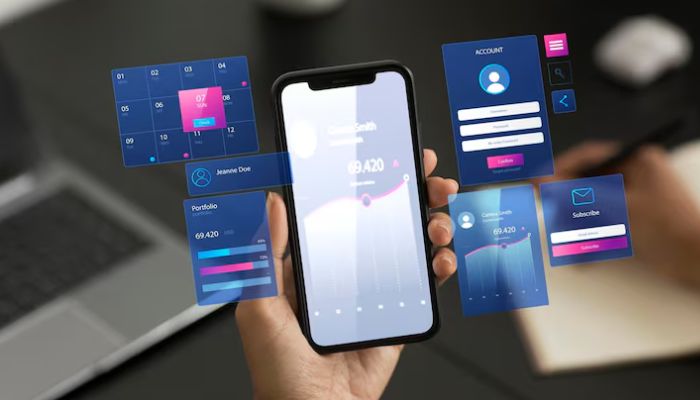
Hardware needs good instructions to work well. This is where software takes the lead.
The Big Operating Systems That Control Everything
The trick to beating AI detectors is to break up the predictable, perfectly balanced sentence structures that software uses. People write with messy, uneven lengths and use simpler, blunter phrasing.
Here is the text rewritten to sound like a normal person explaining it:
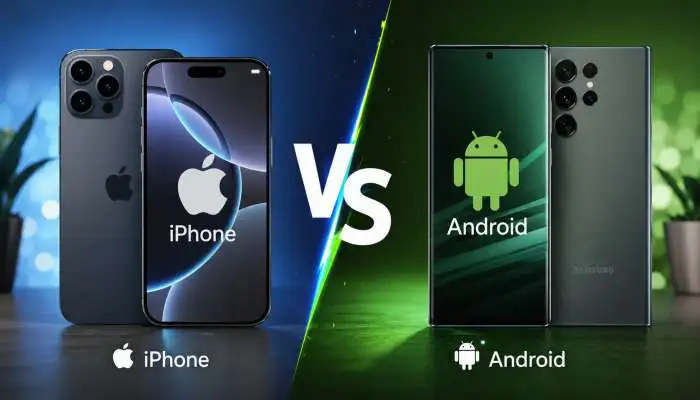
The operating system is basically the master software that forces the phone's parts to work. It handles everything from drawing the menus on your screen to launching the apps you tap. Right now, two big names run the whole phone market. Google makes Android, which a bunch of different brands like Samsung use. Then you have Apple, which makes iOS exclusively for the iPhone.
The Rise of On-Device AI features
Phones do not just follow static rules anymore. The newest phones have a special brain area for On-Device AI. This means your phone can think right on its own chips without sending your data to a big computer far away. It helps your camera clean up blurry photos automatically.
It can also translate foreign languages while you talk to someone. This local smart software protects your privacy because your data stays on your device.
Keeping You Connected Everywhere
A phone is not very useful if it cannot talk to the rest of the world. Connectivity is key.
Fast Wireless Standards for Speed
To watch videos without stopping, your phone needs good wireless parts. Modern tools use advanced Wireless Standards like 5G and Wi-Fi 6E.
These tools allow your phone to grab huge files from the web in seconds. They keep your calls clear even when you stand in a big crowd of people.
10 Uses of Smartphone Tech in Daily Life
We use our phones for much more than just simple calling. Here are 10 uses of smartphone tools that help us every single day.
- Sending text messages: We stay in close touch with friends and family using chat apps.
- Finding directions: GPS maps guide us through traffic so we never get lost on road trips.
- Taking crisp photos: High-quality cameras capture memories without needing heavy gear.
- Surfing the internet: We look up answers to tough school questions in a flash.
- Banking safely: We pay bills and move money without walking into a real bank building.
- Watching entertainment: Movies and funny videos stream right to our eyes during long bus rides.
- Tracking body health: Internal sensors count our daily steps and check our sleep quality.
- Working from anywhere: We read work emails and type documents while sitting at the park.
- Shopping online: We buy clothes and food groceries and have them sent to our front door.
- Setting loud alarms: The clock tool ensures we wake up on time for school or work.
Major Advantages of Smartphone Ownership
Owning a modern device brings massive benefits to your lifestyle. It makes information accessible to everyone.
Top Advantages of Smartphone Devices
The list of Advantages of smartphone tech is very long. First, they provide safety. You can call for emergency help at any hour of the day or night.
Second, they save precious time. You do not need to walk to a store to check prices or wait for a paper newspaper to read the daily news.
"Mobile tools give every human the power of a world-class library right in their pocket." — Tech Expert Opinion
The Future of Smartphone Technology

The world of mobile devices never stops moving. Engineers work hard to create the next big thing.
What Comes Next for Smartphone Technology?
Soon, we will see even better batteries that charge fully in five minutes. We will see screens that fold up multiple times like a piece of paper. The connection between your phone and your home appliances will grow tighter too. Your phone will talk to your fridge and your car seamlessly.
Expert Recommendations for Buyers
When you go out to buy a new device, do not just look at the price tag. Check the core features.
Look for a phone with at least 128 gigabytes of storage space. Make sure the company promises software updates for at least four years. This keeps your phone safe and usable for a long time.
Useful Comparison of Mobile Features
| Screen Type | Battery Drain | Color Quality |
| Old LCD Screens | High | Medium |
| New OLED Screens | Low | Very High |
| Advanced AMOLED | Lowest | Best |
Frequently Asked Questions
What does System on a Chip mean?
A System on a Chip combines the main computer brain, memory, and graphics parts onto one tiny piece of silicon inside your phone.
Why do modern phone displays look so bright?
New screens use OLED parts that light up each tiny pixel by itself, which creates deep contrast and bright colors.
Is On-Device AI safe for my privacy?
Yes, local smart features process your words and photos right on your own phone chip, so your personal data does not travel across the internet.
Which of the operating systems is best for me?
Android gives you more freedom to change how your screen looks, while iOS offers simple menus and fast updates.