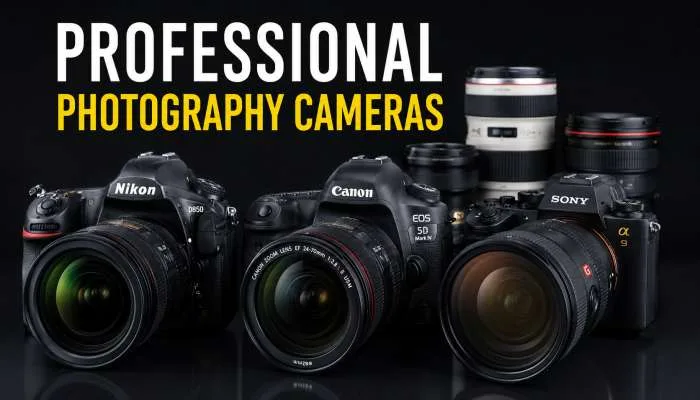
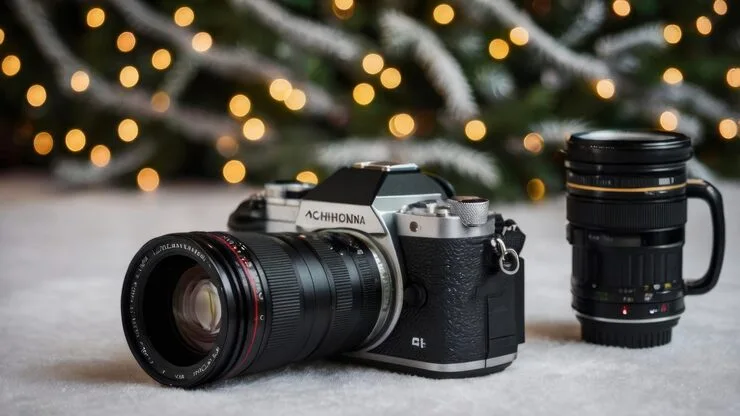
When you are looking to find the best quality camera as a photography beginner, the most truthful response is a current mirrorless camera with a huge sensor, such as the Sony a6000 sequence or the Canon EOS R100. The cameras offer the ideal combination of easy automation and complete manual control to enable you to transition to auto mode to full professional settings without having to invest in a new gadget.
They have interchangeable lenses and that is the actual secret to quality photos. As an amateur who wants to graduate to a more professional level in photography, a mirrorless system is the best value-to-price ratio with a high-quality shooting, great low-light shooting, and durability to learn the trade.
Why Choosing the Right Camera Matters for Your Photography
It is a good idea to begin photography. You would like to capture things as you are seeing them. However there is a limit to using a smartphone. A special camera is one that transforms everything.
The most affordable camera is not necessarily the best quality one when it comes to the beginners in photography. The camera is the one that fits in your hands and you will feel like picking it up on a daily basis. You can feel it when you have a real camera in your hands. The art form is connected to this through the weight, the shutter sound and the optical viewfinder.
Technical specifications are the concern of many amateur photographers. But the truth is simpler. Good camera must not struggle with you. It should work with you. It must not interfere with learning the principles of exposure: aperture, shutter speed, and ISO.
What Defines the Best Quality Camera for Photography Beginners?
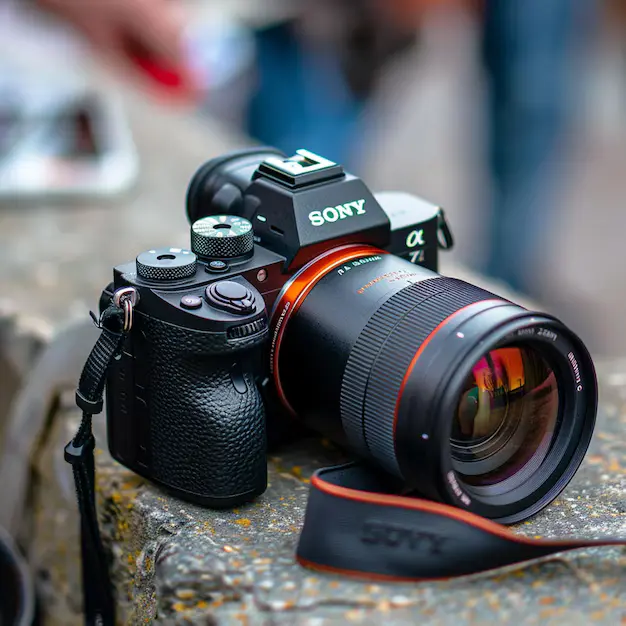
By quality, experts consider three factors, namely sensor size, lens ecosystem and user experience. These will dictate the speed with which a beginner learns and the degree of satisfaction with the images.
Sensor Size: The Heart of the Best Quality Camera
The sensor captures light. The bigger the sensor, the more the light it collects. This implies that it takes improved photographs in low-light rooms or in golden hour.
The large majority of the best quality camera on photography beginners use APS-C sensors. These have increased size compared to smartphone sensors but reduced size compared to professional full-frame sensors. They offer a sweet spot. They maintain low prices of cameras and smaller lenses.
Background blur is also provided by a bigger sensor. The blur is what professionalizes portraits. It isolates the background and the subject. This is attempted by smartphones using software. A real camera achieves it automatically through physics.
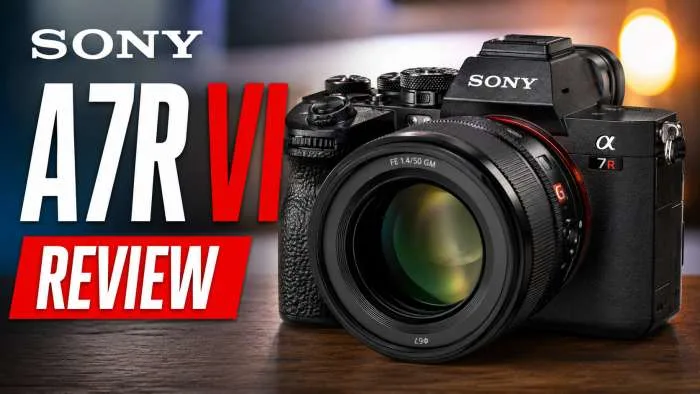
You may also read :- Sony A7 III Review: Why This Mirrorless Camera Stands Out in 2025
Interchangeable Lenses vs. Fixed Lenses
The camera body is important. However, the appearance is made by the lens. When you purchase a professional photography camera with lens kits, you begin with a general purpose zoom lens. Usually, it is an 18-55mm lens.
This low-quality lens is excellent to study. You may zoom or have close-ups, or zoom and have landscapes. With age, you will be able to purchase special lenses. The next step is a 50mm f/1.8 lens. It is cheap and provides beautiful portraits.
When you purchase a fixed-lens camera, you are stuck with this path. You are confined to a single focal length. Interchangeable lenses are a necessity in cases of beginners keen on improving.
User Interface and Menu Systems
An indecipherable menu kills creativity. The clean menu of the camera is the best quality camera to use as a beginner in photography. Such brands as Canon and Fujifilm do well.
The menu at Canon has an easy to use interface. It describes environments using plain texts. Fujifilm inscribes significant controls on dials. You do not need to switch on the camera to view your settings.
Sony is more complex with a powerful tech. The new Sony models have however better touch screens. When you select Sony, you will spend one day to customize the menus to your liking.
Top Camera Picks for 2025: Mirrorless Dominance
Mirrorless cameras have become the norm. They weigh less, are quicker and have the same sensors as bigger DSLRs. These are the best candidates in the selection of the most preferred quality camera in photography beginners.
Sony a6100 – The Autofocus Champion
Sony is the leader in autofocus technology. The a6100 tracks eyes instantly. This is a life saver in case you are taking pictures of children or pets.
It has a 24.2 megapixel sensor that is APS-C. The images are sharp. It captures 4K video in case you would like to experiment in filmmaking. The battery life is fair and the camera is small enough to fit in a jacket pocket.
In the case of an amateur, the autofocus is that you are not so much concerned with focus as you are with composition. It is a cheap but not inexpensive camera to use in photography.
Canon EOS R100 – The Entry-Level Hero
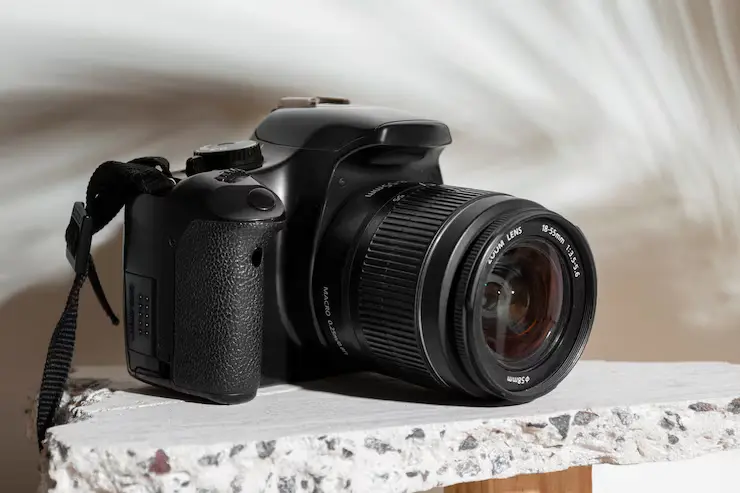
The R100 was modeled by Canon to attract the first-time buyer. It is lightweight. The grip is comfortable. It has the simplest menu system in the industry.
It uses Canon’s RF mount. This mount is bright in its future. You can get costly professional lenses later, or can refit old DSLR lenses to save.
The picture is of a high quality. Colors appear natural immediately out of the camera. There is no need to edit all the photos. It is ideal to beginners who would wish to share photos at the shortest time.
DSLR vs. Mirrorless – Which Path Should You Take?
You may find older DSLRs on sale. They are cheaper. Mirrorless however is the wiser option to new buyers.
Why Mirrorless Wins for New Photographers
Mirrorless cameras are not very large. You will be more inclined to have a small camera. It is a true adage that the best camera is the one you carry with you.
Mirrorless cameras are used to display the exposure in real-time. The brighter or darker the screen gets when you turn the dials. You get a preview of how the picture will appear prior to you taking the shot. This is instant feedback.
DSLRs have an optical viewfinder. What appears in the glass may not necessarily be the same as the sensor records. This is frustrating to the beginners.
The Lens Future
The camera companies are concentrating on the mirrorless lenses. Each year Canon, Nikon and Sony launch new mirrorless lenses. DSLR lenses are being eliminated.
When you purchase a DSLR now you are purchasing a dead system. When you purchase a mirrorless camera, then you can get the newest technology. You can also adjust the older lenses when you wish to save some money.
Essential Gear Beyond the Camera Body
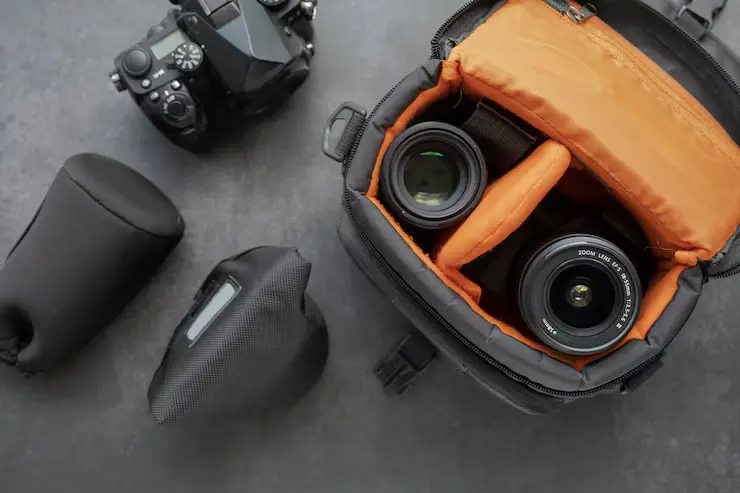
There is more than a camera body. There are some accessories required to have a good time in photography. These products secure your investment and enhance your performance.
The Kit Lens vs. Prime Lens Debate
The kit lens is a good beginner lens. It gives you flexibility. Bt to find out what your camera is really capable of, give it a prime lens. A prime lens is one that has a fixed focal length.
The 50mm f/1.8 is the most common. It has been dubbed as the nifty fifty. It costs around $125 to $200. It allows a lot more light to pass through than the kit lens.
You are taught to move your feet when you have a prime lens. You are more concerned with composition. You have also that professional blurry background. It is the ultimate upgrade that a beginner can have.
Memory Cards and Storage
Fast memory cards matter. Find SD cards of UHS-I or UHS-II rating. A 128GB card is a good size. It holds thousands of photos. Always purchase a well known brand such as SanDisk or Lexar. Fake cards exist. They corrupt data. It is tragic to lose pictures.
Protection and Cleaning
A camera bag is essential. You do not have to carry a big backpack. The camera is covered with a small sling bag that shields it against bumps and dust. Also, buy a lens cleaning kit. Your glass is kept clean by a microfiber cloth and a blower. Do not wipe a lens with your shirt. It can scratch the coating.
Understanding the Exposure Triangle
In order to maximize the use of your best quality camera as a beginner photographer, you need to know three settings: aperture, shutter speed, and ISO. This is the triangular of exposure.
Aperture – Controlling Light and Blur
- The opening in the lens is called Aperture. It is calculated in the f-stops such as f/1.8 or f/8.
- The smaller the number (f/1.8), the bigger the opening. This lets in more light. It also gives a background that is blurred. Use this for portraits.
- The greater the f/number (f/8 or f/11): the smaller the opening. This puts it all in perspective. Use this for landscapes.
Shutter Speed – Freezing or Blurring Motion
The speed of the shutter determines the duration of exposure of the sensor.
- Quick rates such as 1/1000 freeze motion. Use it on sporting dogs or running dogs.
- Slow speeds like 1/30 blur motion. Use this when it is dark or on waterfalls. To shoot with a handheld, one should attempt to keep the shutter speed at more than 1/60 to prevent blurry hands.
ISO – Sensitivity to Light
The sensitiveness of the sensor is known as ISO. The clearest image is provided at low ISO (100). High ISO (3200 or 6400) allows you to take photos in the dark but with grain.
Contemporary cameras have high ISO capability. There is no need to fear indoor raising of ISO. A grainy picture is preferable to a blurred picture.
Real-World Experience: What to Expect When You Start
I recall the purchase of my first real camera. I was overwhelmed. I left it on the auto mode weeks. One day however, I changed to aperture priority. I could notice the blur change in the background on turning the dial. That moment was magic. You will have that moment too. It occurs when you are no longer concerned with specs but are making.
The Learning Curve is Normal
Do not think you will have perfect photos on the first day. The first 1000 photos you will take will be the worst. That is okay. Take your camera everywhere. Shoot in your backyard. Shoot at the grocery store. The settings become second nature with more practice.
Editing is Part of the Process
Professional photographers make edits on their photos. You should too. Free software such as Darktable or more expensive software such as Lightroom assists you in manipulating the brightness, contrast and color.
Editing is not cheating. It is a creating film in a darkroom. It brings your vision to life.
Budgeting for Your First Camera Setup
You have a budget. We are going to deconstruct how to spend your money in the most valuable way.
Body Only vs. Kits
The cost of purchasing a camera with lens as a kit to use in professional photography is normally less expensive when compared to purchasing each part individually. When sold in a package, the kit lens is on sale.
And when you purchase body only, you must purchase a lens at once. This may be costlier in the short run. The safest option to use is the kit in case of beginners.
The Used Market
Cameras are durable. Purchasing secondhand at high quality platforms such as MPB or KEH is cheaper. There is a camera that was sold at 1000 new selling at 600 in the used condition.
Final Thoughts – Taking the Next Step
Choosing your first camera is a milestone. It represents your commitment to art and storytelling. The best quality camera for photography beginners is the one that excites you to shoot.
Remember the priorities:
- Sensor size – APS-C is the sweet spot.
- Lens system – Mirrorless mounts like RF, E, and X are the future.
- Ease of use – A clean menu and comfortable grip matter.
- Budget – Leave room for a prime lens and accessories.
Do not get paralyzed by analysis. Pick one of the cameras listed here—Sony a6100, Canon R100, or Fujifilm X-T30 II—and start shooting. Your journey begins the moment you press the shutter.
Your first great photo is waiting. Go find it.
FAQ: Answering Common Beginner Questions
Q: Do I need a full-frame camera to be a professional?
No. Many professionals use APS-C cameras. The skill of the photographer matters more than the sensor size. Full-frame is great, but it is heavy and expensive. Start with APS-C and upgrade later if needed.
Q: Is the best quality camera for photography beginners the same for video?
Most modern mirrorless cameras shoot excellent 4K video. If you plan to do 50% video, look at the Sony ZV-E10 or the Canon R50. These have features like product showcases and better microphones.
Q: How long will a beginner camera last?
A quality camera will last 3 to 5 years of heavy use. With care, it can last a decade. The lenses will last even longer. You will likely upgrade because you want new features, not because the camera breaks.
Q: Should I buy a tripod immediately?
Not immediately. A tripod is useful for night photography and video. But for the first few months, focus on learning handheld shooting. When you start shooting landscapes or long exposures, then buy a sturdy tripod.